
In assisted living for an older person or someone with dementia, the risk of a stove fire is managed in many different ways.
When instruction in safe use, or even a cooker with timer, is no longer enough, preventing the use of the stove altogether may be the next option considered. This can make everyday life more difficult in many ways. An older person may not understand why their porridge no longer cooks every morning, or why the water for tea never boils.
How would you react in that situation? Would you become frustrated and try to check whether the fuse is OK? Whether there is electricity at all? Would it feel distressing not to be able to cook even a simple porridge anymore?
Preventing stove use is a step toward institutional care
Restricting the use of the stove also restricts an older person's ability to live independently and is a step toward institutional care.
Meal services are an expensive solution, so there are financial reasons to avoid them as well. Preventing the use of the stove entirely does effectively prevent stove fires, but it can be emotionally heavy for an older person or someone with dementia who is still otherwise capable.
Pros and cons of preventing stove use for older people and people with dementia
Pros
- It effectively prevents stove fires because the stove cannot be used at all.
- If the older person's functional ability is clearly weak, moving to meal services may be a justified solution overall.
Cons
- The older person can no longer manage independently in everyday life, and hot meals have to be delivered several times a day, which increases the cost of care.
- An older person may experience losing access to the stove as a blow to their self-esteem. A person with dementia may wonder why the stove does not work or may try to use it anyway.
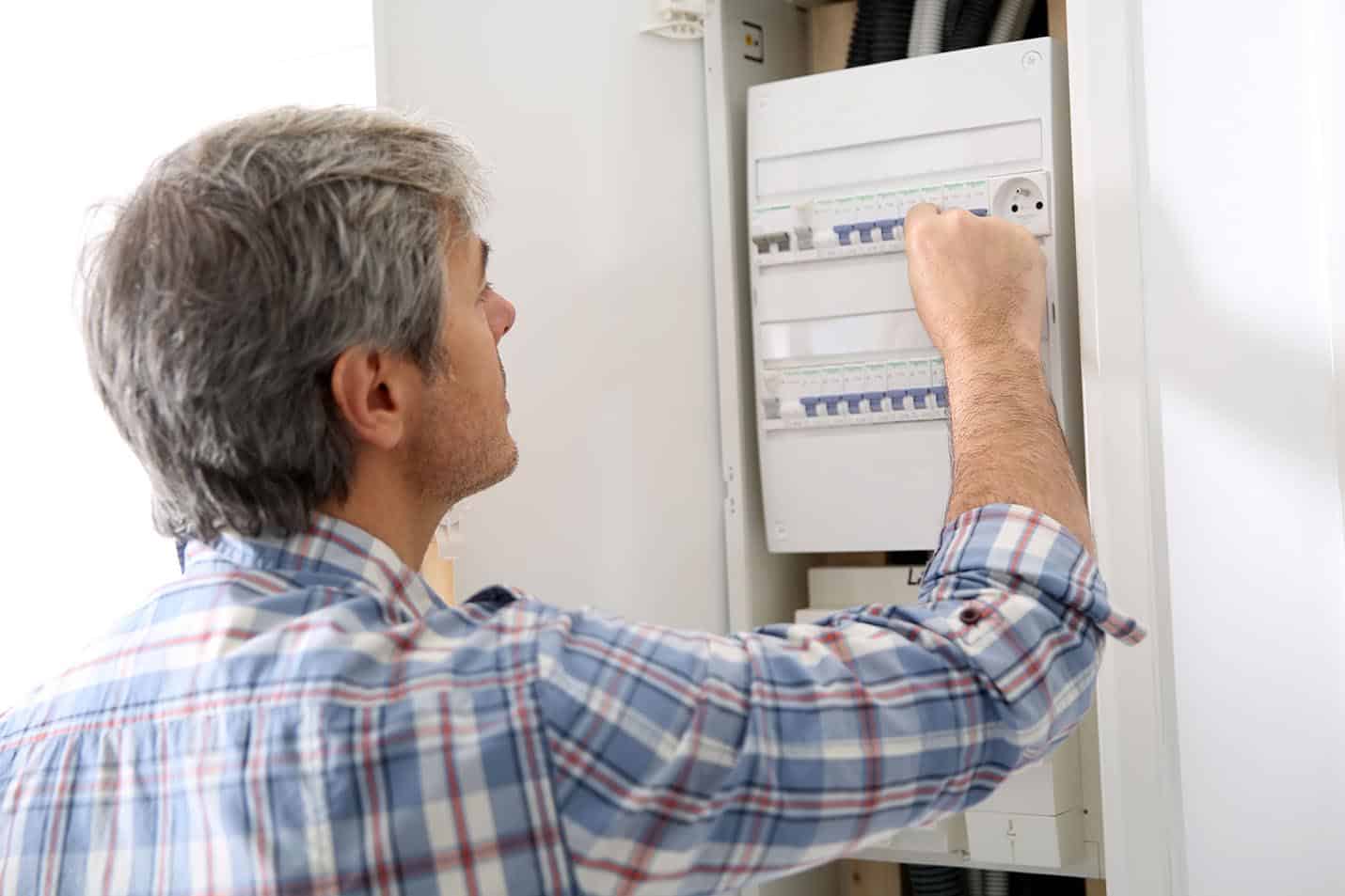
- The older person may try to look for a fault in the fuse box, which can be a serious safety risk.
A Safera stove guard helps an older person cook as before, but more safely
Safera stove guard monitors the stove temperature throughout cooking and detects human movement, or the lack of it, around the stove. It also stops a rapidly escalating dangerous situation by cutting off the power to the stove before a stove fire ignites, regardless of what the resident does.
Safera stove guards comply with EN 50615 Category B, the stove fire prevention standard. The standard defines several tests in which a stove guard must prevent a grease fire from igniting.
A stove guard also suits a person with dementia
A stove guard also suits a person with dementia, because using it does not require learning anything new and it can be installed on an existing stove that is already familiar to the user. If necessary, a Safera stove guard can also send an alert to a caregiver's phone so the older person's condition can be checked.
Could a stove guard suit the needs of the older people in your care?
Ask for a quote from our distributors or contact us, and let’s discuss how our stove guards could extend the possibility of independent living for older people: